Best Heart Failure Doctor

Heart Failure

Heart failure is a serious condition that requires expert care. Finding the right cardiologist, especially the best cardiologist in South Mumbai, is crucial. Dr. Ankur Phatarpekar, known for his exceptional skills and compassionate approach, is a top choice for those seeking cardiac care in South Mumbai. As the best cardiologist in South Mumbai, Dr. Ankur understands the complexities of heart failure and provides personalized treatment plans, including heart valve disease treatment, to improve patients’ quality of life. Choosing the right cardiologist is about more than just medical expertise; it’s about finding someone you feel comfortable with and trust. Dr. Ankur’s clinic, Be Heart Healthy, offers a welcoming environment where patients can receive advanced treatments like TAVI, TMVR, and MitraClip procedures. Don’t delay in seeking care for heart failure. Consult with the best cardiologist in South Mumbai at Be Heart Healthy and take the first step towards managing your heart health.
Heart Specialist in Mumbai

At Be Heart Healthy, our team includes some of the best interventional cardiologists in Mumbai, including, ensuring the highest standard of care and outcomes for our patients. We are your go-to Heart specialists in Mumbai for cutting-edge cardiac care.

Heart Transforming Health: Understanding TAVI and TAVR

In the realm of cardiac care, Transcatheter Aortic Valve Implantation (TAVI), also known as Transcatheter Aortic Valve Replacement (TAVR), stands out as a revolutionary procedure that offers new hope to patients with aortic valve stenosis. At Be Heart Healthy, led by Dr. Ankur Phatarpekar, recognized as the best TAVI doctor in Mumbai, is dedicated to providing comprehensive care for structural heart diseases, interventional cardiology, and cardiac care, including specialized expertise in TAVI and TAVR.

Comprehensive Approaches to Heart Valve Disease Treatment for Long-term Heart Health

Heart valve disease treatment is designed to manage symptoms, prevent complications, and improve the heart’s ability to pump blood efficiently. The treatment plan depends on the type and severity of valve damage and the patient’s overall health. Early and personalized Heart Valve Disease treatment can help patients maintain an active lifestyle and reduce the risk of heart failure.

Key components of Heart Valve Disease treatment may include:

  • Medications to control blood pressure, heart rhythm, and fluid buildup
  • Lifestyle changes such as a heart-healthy diet and regular exercise
  • Ongoing monitoring through echocardiograms and other heart tests

Advanced Solutions Through Heart Valve Disease Surgery When Medical Therapy is Not Enough

Heart Valve disease surgery becomes necessary when valve narrowing or leakage is severe and symptoms worsen despite medication. Surgical intervention helps restore normal blood flow, relieve strain on the heart, and improve long-term survival. Modern heart valve disease surgery techniques offer safer procedures and faster recovery for many patients.

Common options in Heart Valve disease surgery include:

  • Valve repair to preserve the patient’s natural valve
  • Valve replacement using mechanical or tissue valves
  • Minimally invasive or catheter-based surgical approaches


Effective management of heart valve conditions relies on a combination of early Heart Valve Disease treatment and, when necessary, Heart Valve disease surgery. Medications, lifestyle changes, and regular monitoring can help control symptoms and prevent complications in the early stages. However, for severe valve damage, surgical options like valve repair, replacement, or minimally invasive procedures are crucial to restore proper heart function and improve survival rates.

By understanding the importance of both Heart Valve Disease treatment and Heart Valve disease surgery, patients can make informed decisions with their doctors, reduce the risk of heart failure, and maintain a healthier, more active lifestyle over the long term.

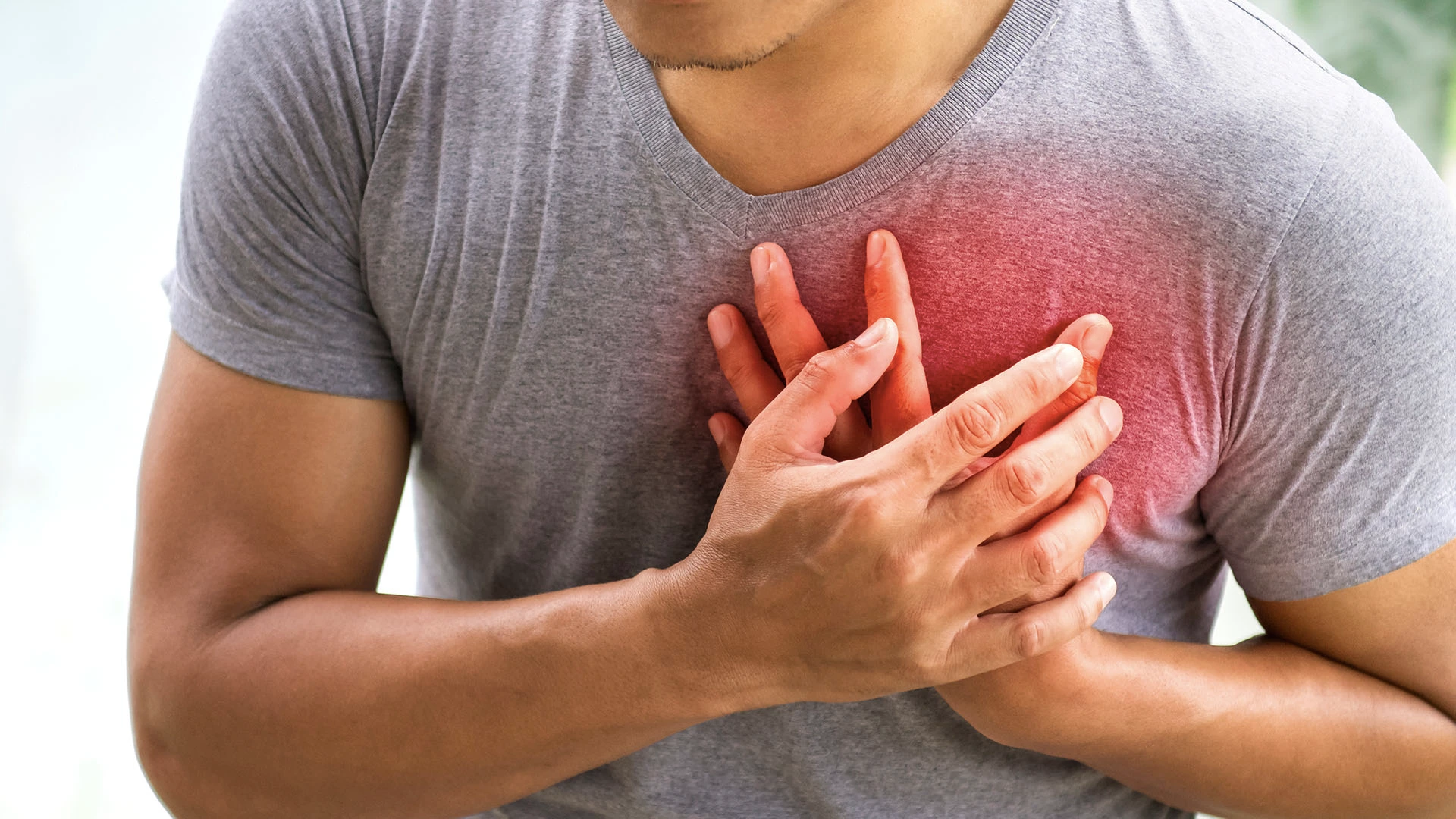
Damage to the heart muscles and reduced blood supply to the body, causing the inability of the heart to perform its regular function of pumping oxygenated or purified blood to various parts of the body, is termed as heart failure.

Individuals with:

  • Coronary artery disease (heart attack)
  • Birth defects in heart
  • Inflammation or/and damage of heart muscles
  • Abnormal rhythm of the heart
  • Chronic diseases (hyper and hypothyroidism, diabetes, iron or protein built up)
  • Allergic reactions
  • Viral infections
  • Blood clots in the lung.
  • Shortness of breath in a resting stage or exertion
  • Swellings in lungs, stomach, ankle, and legs
  • Rapid weight gain due to fluid retention
  • Increased frequency of urination (night)
  • Constant chest tightness and cough
  • Nausea and loss of appetite
  • Dizziness and loss of consciousness
  • Increased heart rate and palpitation
  • Difficulty in exercising and Fatigue.
  • Decreased alertness
  • Untreated Heart failure can cause serious problems which include:
    • Kidney damage or failure.
    • Heart valve and rhythm problems.
    • Liver damage.
  • Physical examination to check for signs of discomfort in particular areas of the body
  • Detailed history of CVD or any other related factor
  • Blood tests that include check for elevated cardiac enzymes NT pro BNP and other parameters like thyroid and renal profile
  • Tests like Electrocardiogram (ECG or EKG), Echocardiography, stress test, chest X-ray, coronary angiography
  • Treatment modalities for heart failure include medications and sometimes even surgery might be required. Medications include the following:

    • Beta-blocker: To stabilize the heart function and to prevent it from further worsening
    • Ace inhibitors: To modify the shape of the heart to make it more elliptical or leaner and decrease the dilatation post-heart attack.
    • Diuretics: To decrease fluid from the lungs to promote easy breathing.
    • Inotropes: To improve the pumping function of the heart and maintain blood pressure.
    • Digoxin (Lanoxin): More commonly given to individuals with a heart rhythm problem, such as atrial fibrillation.
  • The different surgeries involved include:
    • Coronary Artery Bypass Grafting Surgery (CABG): Replacing blocked arteries in the heart with healthy blood vessels from the leg, abdomen, or arm for creating a new passage for blood flow that bypasses the damaged portion of the heart.
    • Pacemaker-like device insertion: A device called an implantable cardioverter-defibrillator (ICD) and functions like a pacemaker, is implanted under the skin in the chest wall. This helps in giving a shock to treat life threatening arrhythmias (Bad rhythms). Another method called Cardiac resynchronisation therapy. CRTp is used to increase the pumping of the heart in some cases of heart failure. The cardiologist identifies these patients by analyzing the ECG, Echo, and angiography reports.
  • Fluid and salt restriction
  • A daily pattern of adequate physical activity
  • Following healthy diet
  • Weight control measures
  • Management of dyslipidemia, blood sugar levels in pre-diabetics and diabetic patients, hypertension and stress.
  • Reduction of alcohol consumption
  • Quit smoking.

Send An Inquiry