
Life rarely changes all at once. For many people with aortic valve disease, it shifts gradually, an unexpected pause while climbing stairs, a heaviness in the chest during simple walks, a tiredness that sleep no longer fixes. As these symptoms quietly grow, many patients begin searching for options like non-surgical aortic valve replacement in Mumbai, hoping for relief without the fear that often accompanies major surgery.
These moments are easy to ignore at first. But when they begin to shape everyday life, questions follow. And often, so does fear especially when the word “surgery” enters the conversation. Today, those fears don’t always have to lead to open-heart surgery. Medical progress has opened a quieter, gentler path forward for patients seeking advanced heart valve care.
Overview of Non-surgical Aortic Valve Replacement in Mumbai
Not long ago, replacing a damaged aortic valve meant a large incision, a long hospital stay, and months of recovery. For many patients, especially older adults that prospect felt overwhelming. Non-surgical aortic valve replacement Mumbai has changed that experience entirely.
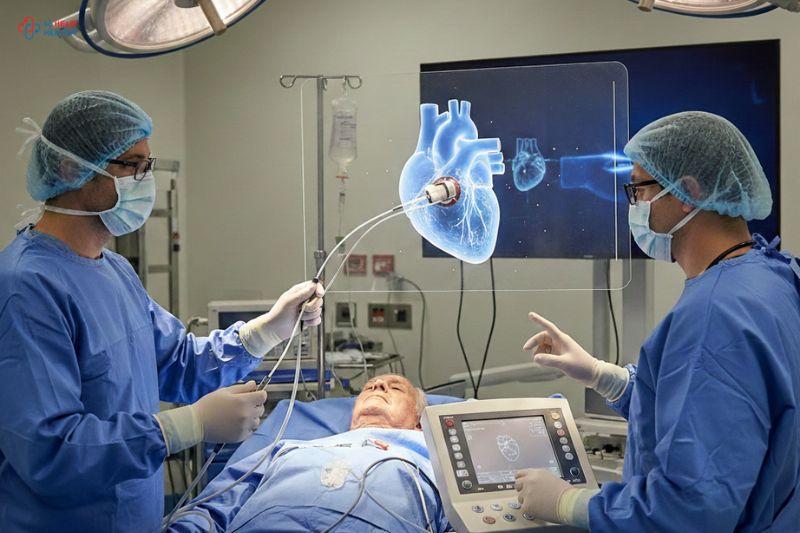
This approach, known as Transcatheter Aortic Valve Replacement (TAVR), allows doctors to replace the valve using a thin catheter rather than opening the chest. The catheter is carefully guided through a blood vessel, most often from the groin, and advanced imaging ensures the new valve is placed with remarkable precision.
What patients often remember most is not the technology, but how different the recovery feels. Less pain. Less disruption. And a faster return to everyday life often with breathing that feels easier than it has in years.
Medical Need for Non-surgical Aortic Valve Replacement in Mumbai
Aortic stenosis has a way of hiding in plain sight. Symptoms can creep in slowly, masked by age or routine fatigue. By the time the condition becomes impossible to ignore, many patients are already facing higher surgical risks due to age or other health conditions.
This is where non-surgical aortic valve replacement in Mumbai becomes more than an option, it becomes a necessity. Patients with lung disease, kidney problems, diabetes, or previous heart surgeries often cannot tolerate the physical stress of open-heart procedures.
Through detailed imaging and thorough clinical evaluation, doctors can determine whether TAVR offers a safer path. For many, it provides access to life-saving treatment that once felt out of reach.
Clinical Expertise Behind Best Cardiologists in Mumbai for TAVR surgery
Technology alone does not determine outcomes. Experience matters. Judgment matters. The best cardiologists in Mumbai for TAVR surgery bring both skill and perspective to the table.
A multidisciplinary heart team, interventional cardiologists, cardiac surgeons, imaging specialists, and anesthesiologists working together guide TAVR. Each case is reviewed carefully, not rushed. The medical team considers valve size, anatomy, risks, and long-term expectations before making a recommendation.
For patients, this collaborative approach brings reassurance. It means decisions are not based on convenience, but on what is safest and most effective for their individual heart.
Technology and Growth of TAVR in Mumbai
Over the last decade, TAVR in Mumbai has grown alongside the city’s advanced cardiac infrastructure. Modern hospitals now offer hybrid operating rooms, high-resolution imaging, and access to next-generation valve technologies.
What truly defines TAVR in Mumbai, however, is consistency. Consistent protocols. Consistent safety standards. And consistent follow-up care. These factors have helped establish Mumbai as a trusted destination for minimally invasive heart valve procedures, attracting patients who value both clinical excellence and continuity of care.
Patient Selection for Non-surgical Aortic Valve Replacement Mumbai
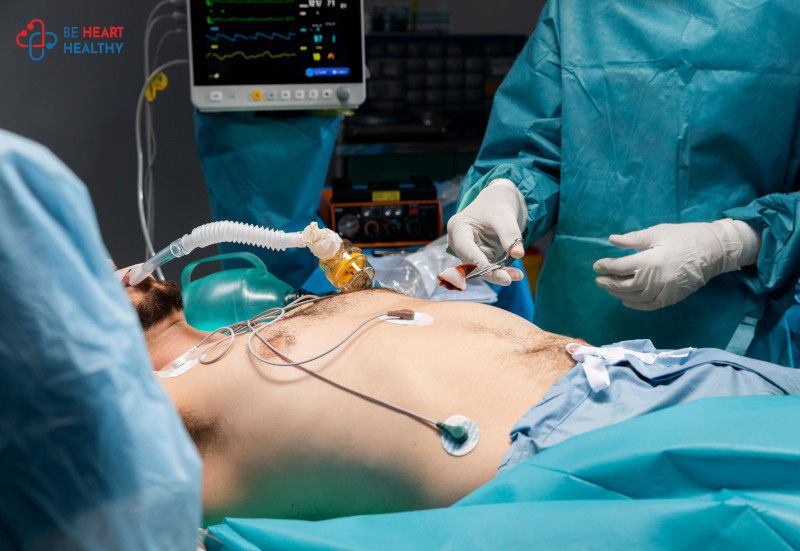
Not every patient with aortic valve disease automatically qualifies for TAVR. Careful selection is essential. Doctors most commonly recommend non-surgical aortic valve replacement Mumbai for elderly patients and those considered high-risk for conventional surgery.
Doctors evaluate several factors, valve structure, calcium deposits, blood vessel access, and overall health status. Just as important is conversation. Healthcare providers encourage patients to ask questions, understand alternatives, and know what recovery may look like.
This thoughtful planning ensures that when clinicians choose TAVR, they choose it for the right reasons and with realistic expectations.
Can the aortic valve be replaced without open heart surgery?
Yes, surgeons can replace the aortic valve without traditional open-heart surgery through a procedure called Transcatheter Aortic Valve Replacement (TAVR). This minimally invasive approach allows doctors to replace the valve using a catheter, typically inserted through the groin or a small incision in the chest. It is especially beneficial for patients who are at higher risk for complications from open-heart surgery.
Key points about TAVR:
- Minimally invasive: Performed via a small incision, often through the femoral artery, avoiding the need to open the chest.
- Faster recovery: Patients usually experience shorter hospital stays and quicker return to normal activities compared to traditional surgery.
- Suitable for high-risk patients: Often recommended for older adults or those with other health conditions that make open-heart surgery riskier.
- Comparable outcomes: Studies show similar survival rates and improvements in quality of life compared to surgical aortic valve replacement for eligible patients.
- Local or general anesthesia: Surgeons can often perform the procedure under local anesthesia with sedation rather than full general anesthesia.
If you want, I can also write a version that explains who qualifies for TAVR versus traditional surgery in simple terms.
Recovery Expectations After TAVR
Patients often describe recovery after TAVR as surprisingly smooth. Many patients are up and walking within a day. Discharge usually follows within a few days, rather than weeks.
Improvements in breathing and stamina often appear early, though full recovery continues gradually. Follow-up visits focus on medications, heart-healthy habits, and monitoring valve function. Doctors may recommend cardiac rehabilitation to rebuild strength and confidence.
The goal is not just healing but helping patients return to life with renewed independence.
Long-term Results With Best Cardiologists in Mumbai for TAVR surgery
When performed by the best cardiologists in Mumbai for TAVR surgery, long-term outcomes are encouraging. Advances in valve design have improved durability and reduced complications.
Regular follow-ups play a key role in maintaining results. Ongoing monitoring allows doctors to address concerns early and support overall heart health. Many patients experience lasting symptom relief and meaningful improvements in quality of life, reinforcing TAVR’s role as a reliable long-term solution.
Advanced Heart Valve Care at Be Heart Healthy
Choosing heart treatment is deeply personal. It requires trust, clarity, and confidence at every step. At Be Heart Healthy, care is built around these principles. From diagnosis through recovery, evidence, experience, and empathy guide treatment for non-surgical aortic valve replacement Mumbai.
Healthcare providers support patients with clear communication and individualized care plans, ensuring they never feel rushed or uncertain. The focus remains steady, restoring heart function, protecting quality of life, and offering advanced treatment without the burden of open-heart surgery.