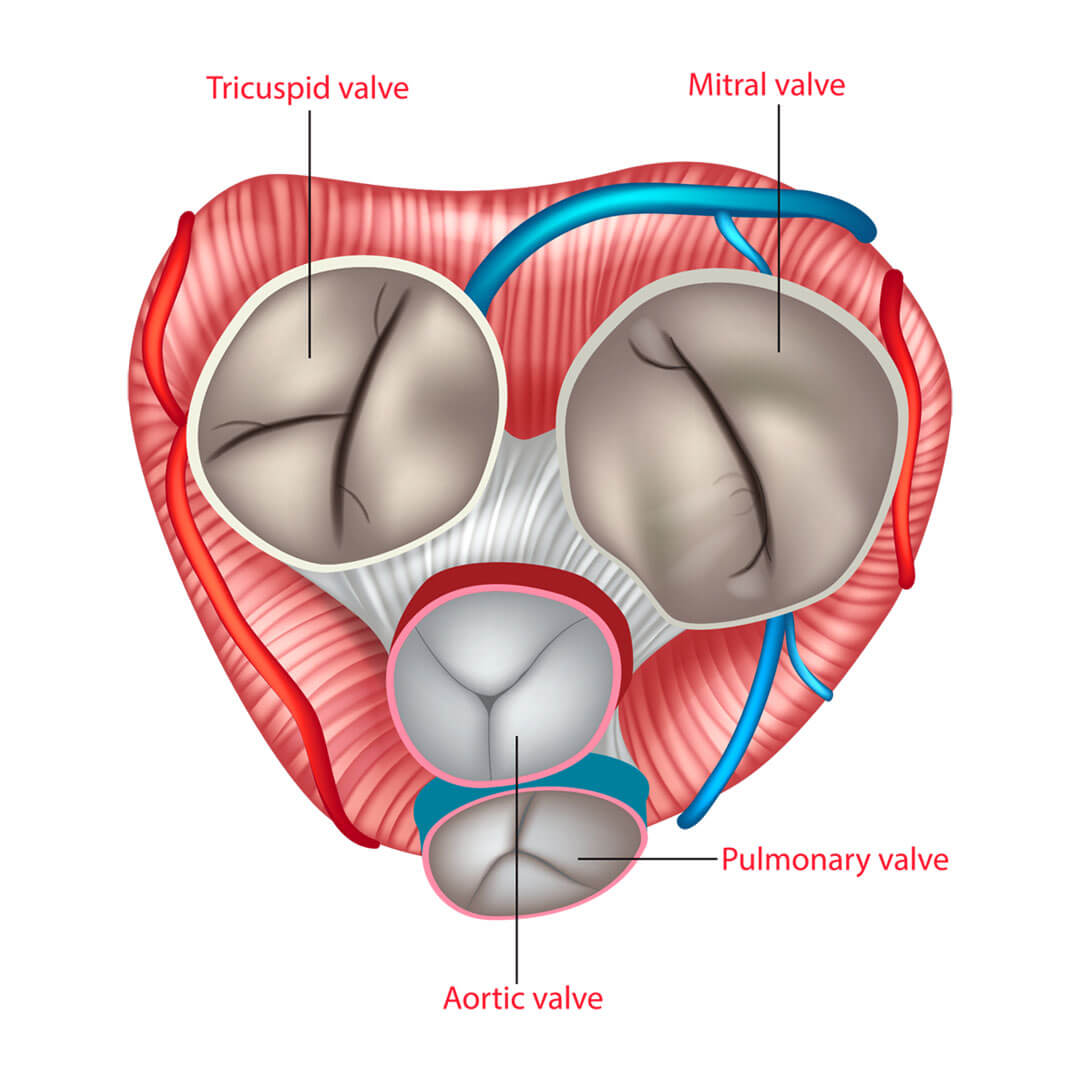
Coronary Artery Disease (CAD) is one of the most common and serious heart conditions, caused by the narrowing or blockage of coronary arteries due to plaque buildup. If left untreated, it can lead to chest pain, heart attack, or other life-threatening complications. Advanced diagnostic services like angiography in Mumbai help detect the condition early and guide proper treatment.
If you are looking for advanced and reliable coronary artery disease care, early diagnosis and the right treatment approach can significantly improve outcomes.
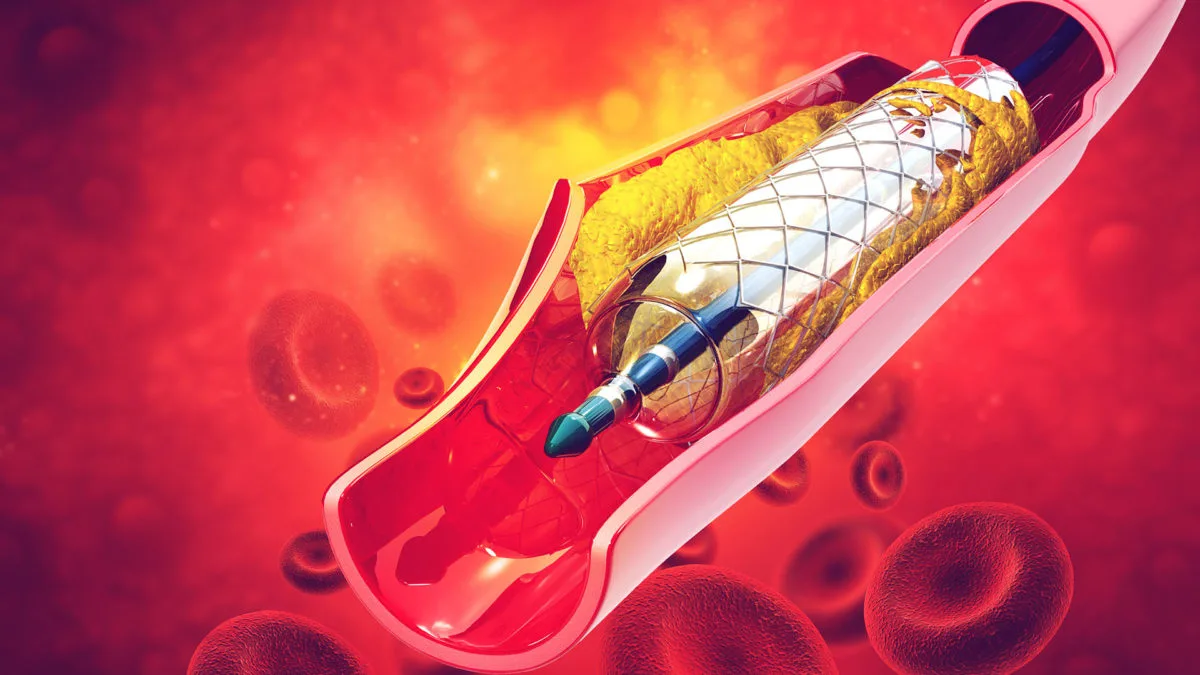
Modern cardiology focuses on early detection and effective management of blocked arteries. With the availability of advanced heart blockage treatment Mumbai, patients can now access minimally invasive and highly effective solutions.
Timely medical care not only reduces complications but also improves long-term heart function and overall quality of life.
Early intervention plays a critical role in avoiding life-threatening situations and ensuring faster recovery.
Coronary Artery Disease occurs when the coronary arteries become narrowed or blocked due to the buildup of cholesterol deposits (plaque). This condition gradually restricts oxygen-rich blood flow to the heart muscle.
Understanding the condition early helps in managing symptoms effectively and preventing severe complications like heart attacks.
Accurate diagnosis is the foundation of effective treatment for coronary artery disease. Advanced imaging and diagnostic tests help determine the severity, location, and extent of arterial blockages, allowing for precise evaluation of heart function. Consulting an experienced coronary artery disease doctor Mumbai ensures that patients receive the right combination of tests and expert interpretation of results.
Early detection plays a crucial role in preventing complications such as heart attack or severe artery damage. With timely diagnosis, doctors can recommend the most suitable treatment plan, whether it involves lifestyle changes, medication, or interventional procedures, leading to safer outcomes and improved long-term heart health.
Coronary angiography is a specialized imaging procedure used to examine blood flow within the coronary arteries. It helps doctors identify blockages with precision.
This procedure is widely recommended for patients experiencing chest pain or suspected heart disease.
Key Benefits:
This test is essential in planning the most suitable treatment approach for each patient.
Treatment for CAD depends on the severity of blockage and overall patient health. From medications to advanced procedures, multiple options are available today.
Choosing the right treatment ensures improved heart function and reduces the chances of complications.
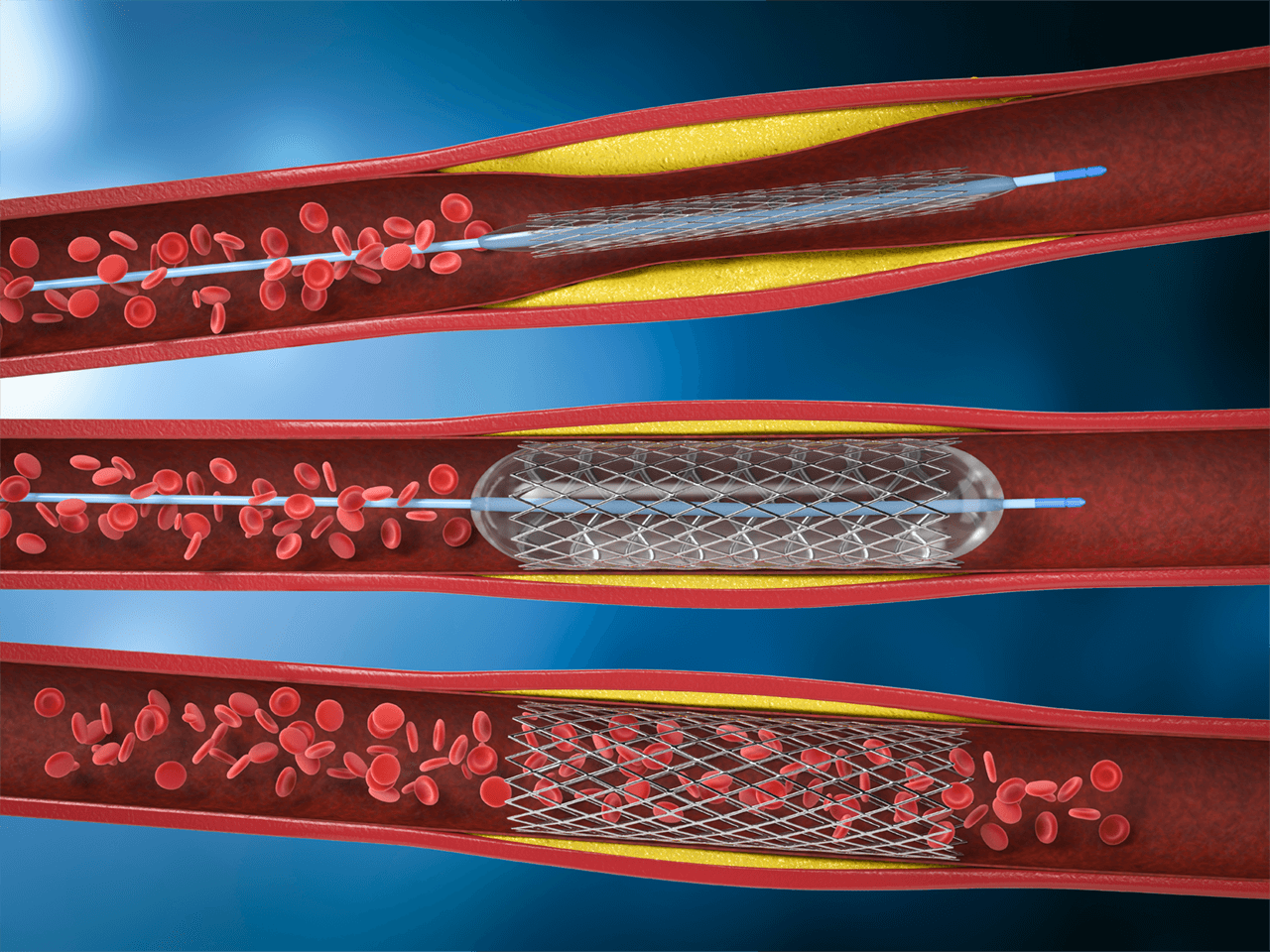
Angioplasty is a minimally invasive procedure that helps open blocked arteries and restore normal blood flow. A stent is placed to keep the artery open permanently.
It is one of the most commonly recommended treatments for severe artery blockage.
Advantages:
Angioplasty significantly improves symptoms and allows patients to return to normal life quickly.
Effective treatment outcomes depend on the expertise of the cardiologist and the quality of medical infrastructure. Access to experienced specialists ensures accurate diagnosis and safe procedures.
Modern facilities combined with expert care provide patients with complete support throughout their treatment journey.
Several lifestyle and medical factors contribute to the development of CAD. Identifying these risk factors early can help in prevention and better management.
Awareness of causes allows individuals to make healthier lifestyle choices and reduce their risk.
Managing these risk factors can significantly lower the chances of developing serious heart conditions.
Symptoms of CAD can vary from mild discomfort to severe chest pain. In some cases, symptoms may not appear until the condition becomes critical.
Recognizing early warning signs is crucial for timely medical intervention.
Early identification of symptoms can prevent complications and improve treatment success rates.
Diagnosing CAD involves a combination of clinical evaluation and advanced diagnostic tests. These tests help determine the severity and guide treatment decisions.
Accurate diagnosis ensures that patients receive the most effective and personalized care.
These diagnostic tools provide a complete understanding of heart health and blockage severity.
Preventing CAD requires consistent lifestyle changes and medical management. A healthy routine can significantly reduce the risk of heart disease.
Long-term prevention strategies improve heart health and overall well-being.
A disciplined lifestyle plays a key role in preventing and managing coronary artery disease.
Coronary angioplasty cost can vary depending on the hospital, city, and type of procedure. It is important to consider all aspects of the treatment before planning for it. Coronary angioplasty cost generally includes hospital charges, doctor fees, and the price of stents used during the procedure.
If you or your loved ones are experiencing symptoms of heart disease, timely evaluation is critical. Early diagnosis and expert care can make a significant difference.
Consult a specialist today to explore the best treatment options and ensure better heart health.
Angina or severe chest pain is the most common and significant manifestation of Coronary Artery Disease (CAD) seen as a result of stress-induced pain, emotional trauma, and primarily due to an inadequate supply of oxygen to the heart.
Coronary Artery Disease is a slow process that occurs due to the accumulation of plaque in the arteries of the heart. Sticky substances like cholesterol, calcium deposits, and waste remnants of the body cells cause plaque formation. This causes blockage or spasm in big and small blood vessels of the heart and reduces smooth blood flow in the heart.
Plaque formation generally causes breakage of the blood vessels. As the body’s defense mechanism, clot formation that occurs for natural healing of the blood vessels causes heart stroke.
1. Smoking:
Nicotine consumption in the form of active, passive, or tobacco chewing is one of the strongest causes of CAD in India.
2. High Lipid Profile:
An Increase in cholesterol, LDL (Low-density lipoprotein) and reduction in HDL (High-Density lipoprotein) increases the risk of CAD.
3. Diabetes Mellitus:
High blood glucose levels and imbalance in lipid profile causes heart diseases as a secondary complication.
Also Read: How Diabetes Affects Our Heart Health
4. Hypertension:
Blood pressure above 140/90mm Hg is an indication of high-risk hypertension, a common risk factor for the development of CAD.
I. Pharmacological Treatment: Used for long term relief from symptoms
II. Lifestyle management Treatment: Used for prevention of Coronary Artery Disease