


Chest discomfort or pressure (angina)
Shortness of breath, irregular heartbeat (palpitations)
Feeling unusually fatigued, dizzy, or fainting spells
Burning or squeezing sensation spreading to neck, shoulders, arms
Atypical chest discomfort, especially in women
If ignored, these symptoms can escalate to heart attacks or sudden cardiac death.
To accurately diagnose CAD, your cardiologist may recommend:
A medical history and physical examination
Chest X-ray and 12‑lead ECG
Resting echocardiogram to assess heart structure and function
Blood tests: lipid profile, blood sugar, HbA1c, kidney and thyroid function
Advanced diagnostics like a stress test, CT coronary angiography, or invasive coronary angiography may also be advised based on initial findings.
For stable symptoms or risk reduction, medications may include:
Beta‑blockers (reduce heart workload)
Calcium‑channel blockers and nitrates (relieve chest pain)
Antiplatelets like aspirin or clopidogrel (prevent clots)
Statins and lipid‑lowering drugs (stabilise plaques)
Antidiabetics and antihypertensives, as needed
Preventing or managing CAD goes hand in hand with daily habits:
Eat a balanced diet: whole grains, pulses, fruits, vegetables, lean proteins, omega‑3s, MUFAs/PUFAs
Exercise regularly (at least 150 minutes of moderate activity/week)
Maintain healthy weight
Quit smoking and chewing tobacco
Monitor and control blood pressure, sugar, and lipids
At Be Heart Healthy, we believe in a proactive approach:
Smoking cessation support
Tailored diet and exercise plans
Long-term follow-up and medication adjustment
Support groups and counselling for lifestyle change
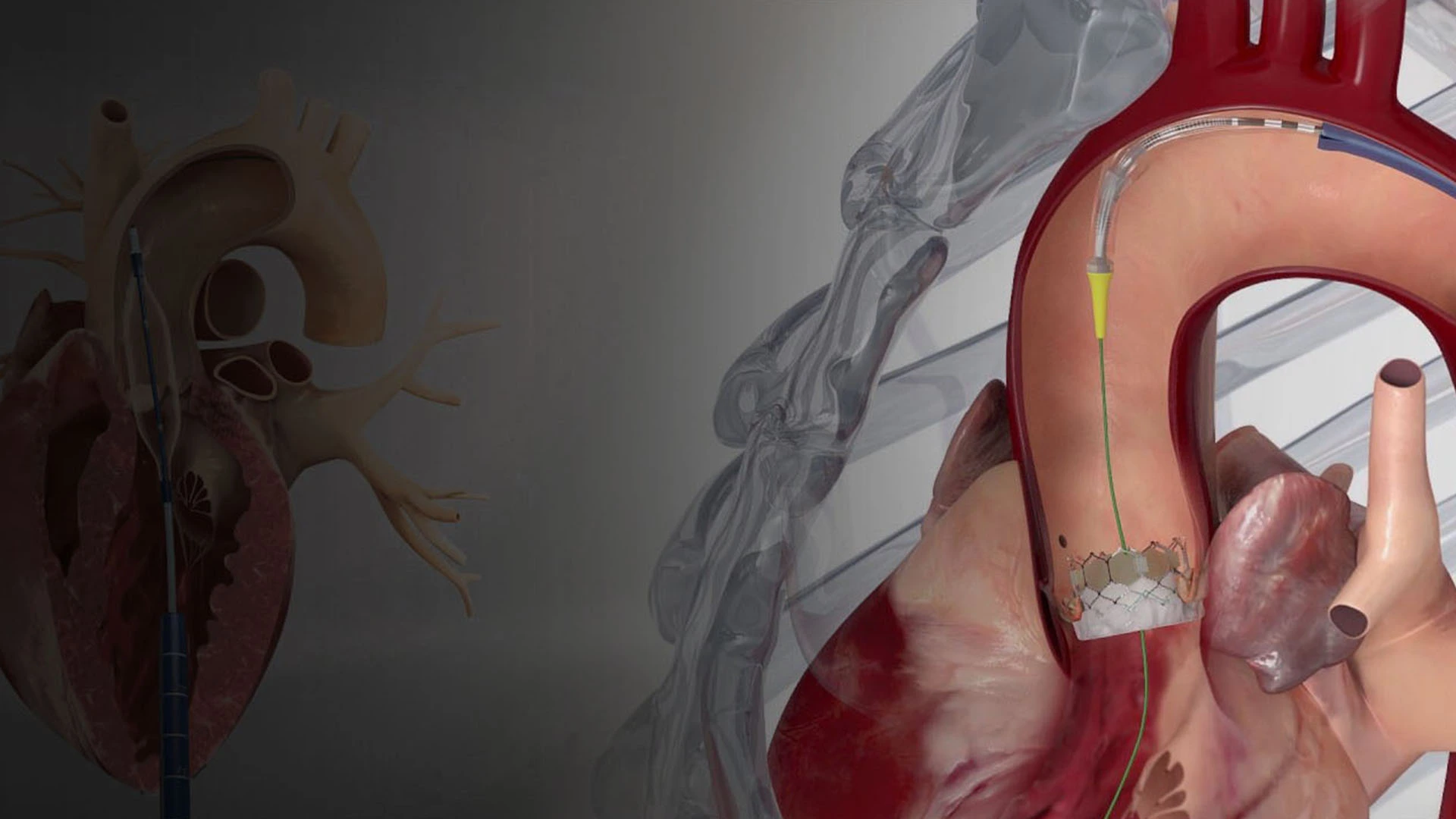
Post-procedure rehabilitation for angioplasty, stents, or bypass surgery
At Be Heart Healthy, we’re committed to reducing the burden of CAD in India. Under the expert care of Dr Ankur Phatarpekar and our dedicated team, we offer comprehensive prevention, accurate diagnosis, individualized treatment, and long-term heart health support—all within a warm, compassionate environment.
Angina or severe chest pain is the most common and significant manifestation of Coronary Artery Disease (CAD) seen as a result of stress-induced pain, emotional trauma, and primarily due to an inadequate supply of oxygen to the heart.
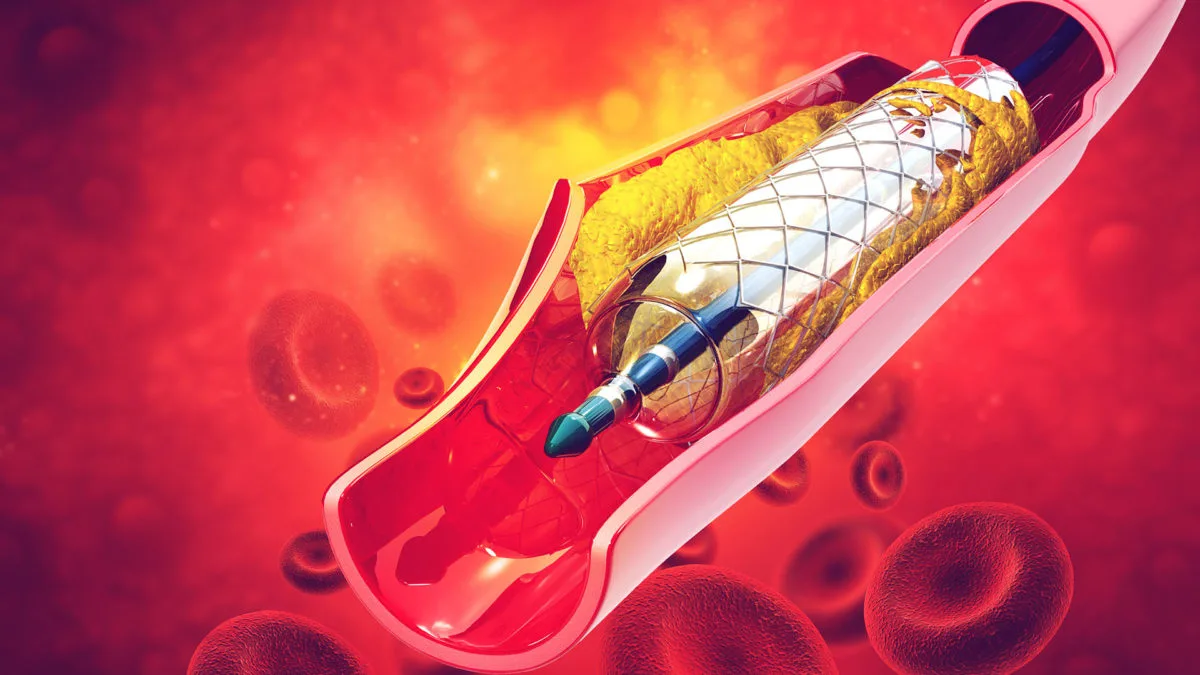
Coronary Artery Disease is a slow process that occurs due to the accumulation of plaque in the arteries of the heart. Sticky substances like cholesterol, calcium deposits, and waste remnants of the body cells cause plaque formation. This causes blockage or spasm in big and small blood vessels of the heart and reduces smooth blood flow in the heart.
Plaque formation generally causes breakage of the blood vessels. As the body’s defense mechanism, clot formation that occurs for natural healing of the blood vessels causes heart stroke.
1. Smoking:
Nicotine consumption in the form of active, passive, or tobacco chewing is one of the strongest causes of CAD in India.
2. High Lipid Profile:
An Increase in cholesterol, LDL (Low-density lipoprotein) and reduction in HDL (High-Density lipoprotein) increases the risk of CAD.
3. Diabetes Mellitus:
High blood glucose levels and imbalance in lipid profile causes heart diseases as a secondary complication.
Also Read: How Diabetes Affects Our Heart Health
4. Hypertension:
Blood pressure above 140/90mm Hg is an indication of high-risk hypertension, a common risk factor for the development of CAD.
I. Pharmacological Treatment: Used for long term relief from symptoms
II. Lifestyle management Treatment: Used for prevention of Coronary Artery Disease