Your heart is a remarkable organ, but it’s not immune to problems. Recognizing the early signs of heart disease is crucial for timely intervention. In this article, we’ll educate you on the symptoms that warrant your attention and when it’s time to seek medical help.
The Silent Threat: Heart Disease
Heart disease is often referred to as the “silent killer” because it can develop without obvious symptoms. However, as it progresses, it can manifest warning signs that should never be ignored. These signs may include:
- Chest Pain or Discomfort: This classic symptom, often described as pressure, squeezing, or pain, can occur in the chest and may radiate to the arms, neck, jaw, or back.
- Shortness of Breath: If you find it increasingly difficult to catch your breath, especially during physical activity, it may be a sign of heart issues.
- Fatigue: Unexplained fatigue, particularly when it’s severe and persistent, can be related to heart problems.
- Dizziness or Lightheadedness: Feeling dizzy or lightheaded, especially when standing up, could be indicative of heart concerns.
- Swelling: Noticeable swelling in the legs, ankles, or feet may suggest heart problems that affect fluid balance.
- Irregular Heartbeat: Heart palpitations, fluttering, or a sensation of skipped beats should be evaluated.
When to Seek Medical Help
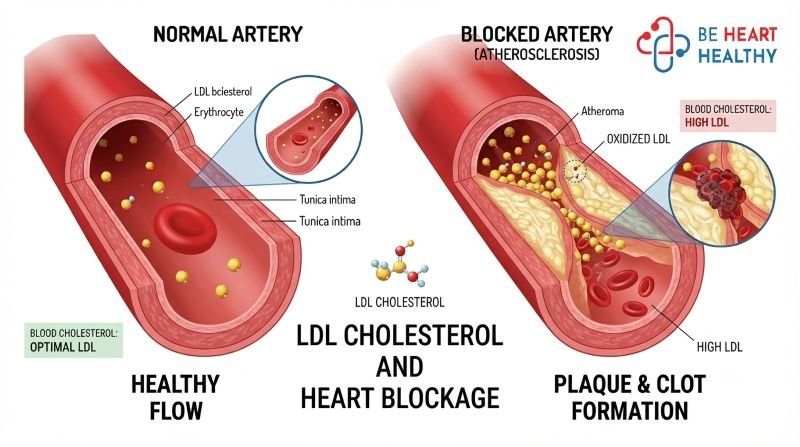
If you experience any of these symptoms, it’s essential to take them seriously. Prompt medical evaluation can make a significant difference in the outcome of heart issues. If you have risk factors like a family history of heart disease, high blood pressure, diabetes, or high cholesterol, it’s especially important to be vigilant.
At ‘Be Heart Healthy,’ we’re committed to providing timely and accurate assessments of your heart’s health. We believe that early detection and intervention are key to successful heart disease management. Don’t wait until your heart’s whispers become shouts; seek medical attention if you suspect any heart-related symptoms.