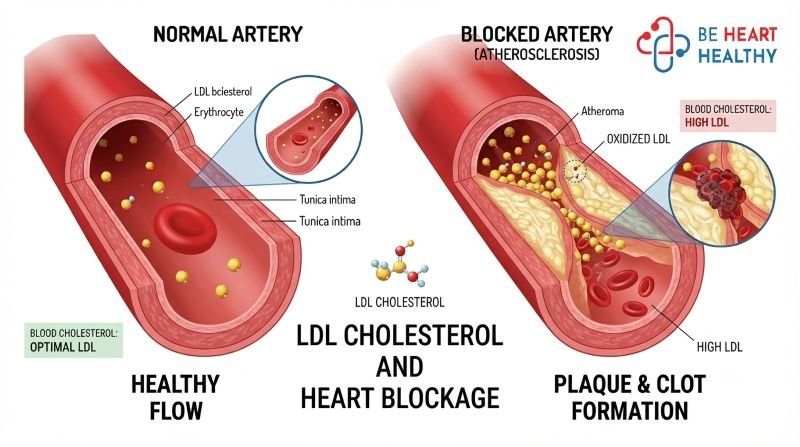

Summary: This guide explains coronary angioplasty, why it is performed, what happens during the procedure, who may benefit from it, recovery expectations, possible risks, and how it compares with bypass surgery. My goal is to help you understand your treatment options with confidence so you can make informed decisions about your heart health.
What Is Coronary Angioplasty?
Coronary angioplasty is a catheter-based procedure that opens narrowed or blocked coronary arteries without the need for open-heart surgery.
During the procedure:
- A thin catheter is inserted through an artery in the wrist or groin.
- It is carefully guided to the blocked coronary artery.
- A small balloon is inflated to widen the narrowed section.
- In most cases, a stent is placed to keep the artery open and maintain healthy blood flow.
Because only a small puncture is required, recovery is generally quicker than with many traditional surgical procedures.
When Is Coronary Angioplasty Recommended?
Your cardiologist may recommend angioplasty if tests show that reduced blood flow is affecting your heart.
It may be considered for patients who have:
- Persistent Chest Pain (Angina)
When medications and lifestyle changes do not adequately control symptoms. - Heart Attack
Emergency angioplasty can quickly restore blood flow, helping preserve heart muscle and improve outcomes. - Significant Coronary Artery Narrowing
Detected during coronary angiography or other diagnostic imaging.
Every patient’s condition is unique. The decision is based on the location of the blockage, the number of affected arteries, overall heart function, and existing medical conditions.
Coronary Angioplasty vs Bypass Surgery: Which Treatment Is Better?
Choosing between coronary angioplasty vs bypass surgery depends on several clinical factors rather than one treatment being universally better.
| Coronary Angioplasty | Bypass Surgery |
| Minimally invasive | Open-heart surgery |
| Shorter hospital stay | Longer recovery period |
| Faster return to daily activities | Often preferred for complex multi-vessel disease |
| Suitable for selected blockages | May provide better long-term outcomes in certain patients |
Your cardiologist will recommend the treatment that offers the safest and most effective long-term result for your specific heart condition.
What Happens During the Procedure?
Many patients are surprised by how straightforward the procedure is.
Typically, the process involves:
- Local anaesthesia at the access site.
- Insertion of a thin catheter.
- Imaging guidance to locate the blockage.
- Balloon inflation to widen the artery.
- Stent placement if required.
- Removal of the catheter and closure of the access site.
The procedure usually takes between 30 minutes and two hours, depending on the complexity of the blockage.
Recovery After Coronary Angioplasty
Recovery is generally quicker than patients expect.
Most people:
- Walk within a few hours.
- Return home the next day in uncomplicated cases.
- Resume normal daily activities within several days.
- Continue prescribed medications to protect the stent and heart.
Long-term success depends not only on the procedure but also on healthy lifestyle habits, including balanced nutrition, regular exercise, blood pressure control, diabetes management, and avoiding tobacco.
Understanding Coronary Angioplasty Cost
One of the most common concerns patients have is the coronary angioplasty cost.
The overall cost depends on several factors, including:
- Number of blocked arteries
- Type of stent used
- Hospital stay
- Complexity of the procedure
- Existing medical conditions
- Emergency versus planned treatment
Rather than focusing only on cost, it’s important to understand the complete treatment plan, follow-up care, and long-term outcomes before making a decision.

Choosing Angioplasty in Mumbai
If you are considering angioplasty in Mumbai, look for a cardiologist who offers thorough evaluation, explains every available treatment option clearly, and recommends the approach best suited to your condition rather than a one-size-fits-all solution.
A comprehensive assessment before treatment helps ensure that angioplasty is recommended only when it is likely to provide meaningful clinical benefit.
Dr. Ankur Phatarpekar’s Clinical Perspective
When I discuss angioplasty with my patients, I always begin by explaining that the procedure is only one part of treating coronary artery disease. My responsibility is not simply to open a blocked artery but to understand why the blockage developed, how much heart muscle is at risk, and whether angioplasty is truly the best option.
Some patients benefit greatly from angioplasty, while others may achieve better long-term outcomes with bypass surgery or carefully managed medical therapy. Every recommendation I make is based on clinical findings, imaging, symptoms, and the patient’s overall health. My goal is to help you choose the treatment that offers lasting benefit while ensuring you understand every step of the decision.
Learn More About Your Heart Health
Understanding coronary artery disease is only one part of protecting your heart. You may also find these resources helpful:
Understanding Coronary Angiography
How to Prevent Heart Disease Through Lifestyle Changes
Frequently Asked Questions
Choosing the right treatment often raises many questions. Here are answers to some of the most common concerns patients ask about coronary angioplasty.
Q. Is coronary angioplasty a major surgery?
Doctors perform coronary angioplasty, a minimally invasive catheter-based procedure, through a small artery in the wrist or groin without opening the chest.
Q. How long does recovery take after coronary angioplasty?
Most patients recover quickly after coronary angioplasty and can return to light daily activities within a few days, depending on their overall health and the complexity of the procedure.
Q. Does every patient need a stent during angioplasty?
During coronary angioplasty, physicians place a stent in many cases to keep the artery open. However, the decision depends on the nature of the blockage and your cardiologist’s assessment.
Q. How do doctors decide between coronary angioplasty vs bypass surgery?
The choice between coronary angioplasty vs bypass surgery depends on the number of blocked arteries, the location of the blockages, heart function, diabetes status, and your overall health.
Q. What affects coronary angioplasty cost?
The coronary angioplasty cost varies depending on the type of stent, hospital stay, procedure complexity, medications, and whether treatment is planned or performed during an emergency.
Q. Is angioplasty permanent?
Angioplasty restores blood flow effectively, but maintaining healthy arteries requires long-term lifestyle changes, medications, and regular follow-up care.
Speak With Dr. Ankur Phatarpekar
If your doctor has advised you to undergo coronary angioplasty or you would like a second opinion about your treatment options, I’d be happy to help you understand your diagnosis and discuss what approach is most appropriate for your heart condition. At Be Heart Healthy, my focus is on helping you make informed decisions with clear, personalised guidance based on your individual heart health needs.
Phone: +91 88284-73147
Email: enquiry@careforyourheart.in
Address: A12 Silver Apts, Shankar Ghanekar Marg, Behind Siddhivinayak Mandir, Prabhadevi, Mumbai – 400025, Maharashtra, India
Dr. Ankur Phatarpekar
Interventional Cardiologist
Dr. Ankur Phatarpekar is committed to helping patients understand complex heart conditions through clear, evidence-based guidance. He believes that clinicians should personalise every treatment decision, make it transparent, and focus it on achieving the best possible long-term heart health.