
Summary: Heart blockage treatment aims to restore healthy blood flow to the heart and reduce the risk of serious complications such as a heart attack. This guide explains the common symptoms, diagnostic tests, available treatment options including medications, lifestyle changes, stent procedures and what to expect during recovery. It also shares Dr. Ankur Phatarpekar’s clinical perspective to help you better understand your condition and make informed decisions about your heart health.
Understanding Heart Blockage and Its Symptoms
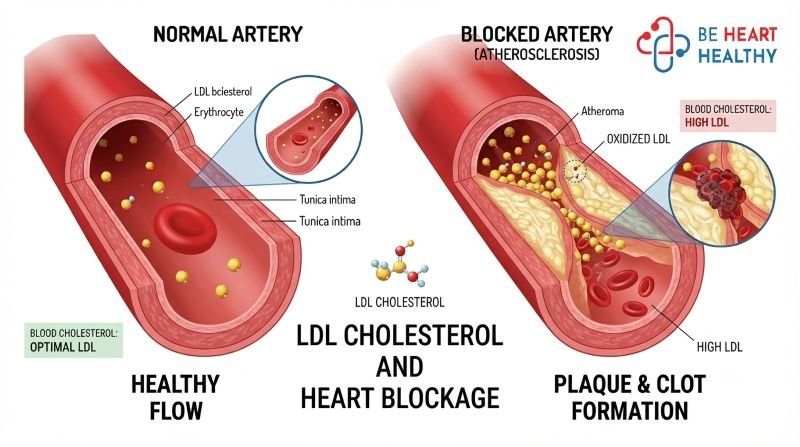
A heart blockage does not always cause immediate symptoms. Mild narrowing may not affect blood flow significantly, but as the blockage progresses, the heart may not receive enough oxygen, especially during physical activity.
Common symptoms include:
- Chest pain or pressure (angina)
- Shortness of breath
- Pain spreading to the arm, shoulder, neck, jaw, or back
- Unusual tiredness
- Sweating or dizziness
- Nausea, particularly during chest discomfort
Some people, especially those with diabetes, may experience only mild or atypical symptoms. Ignoring these warning signs can increase the risk of a heart attack, making early evaluation essential.
How Heart Blockages Are Diagnosed
Accurate diagnosis helps determine the extent of blockage and the most suitable treatment plan.
Depending on your symptoms and medical history, your cardiologist may recommend:
Electrocardiogram (ECG)
Records the heart’s electrical activity and can identify signs of reduced blood flow or previous heart damage.
Echocardiogram
Uses ultrasound to assess heart function and detect areas affected by poor blood supply.
Stress Test
Evaluates how your heart performs during exercise or medication-induced stress.
CT Coronary Angiography
A non-invasive imaging test that provides detailed pictures of the coronary arteries.
Coronary Angiography
This remains the gold standard for identifying the location and severity of coronary artery blockages. A thin catheter is inserted through the wrist or groin, allowing contrast dye to highlight the arteries under X-ray guidance.
Read more about Coronary Angiography.
Heart Blockage Treatment Options
The most appropriate heart blockage treatment depends on the degree of blockage, the number of affected arteries, your symptoms, and your overall health.
Lifestyle Changes and Medications
For mild blockages or stable coronary artery disease, treatment often begins with lifestyle modifications and medications.
These may include:
- Cholesterol-lowering medicines
- Blood thinners
- Blood pressure medications
- Medicines to relieve chest pain
Lifestyle improvements remain equally important:
- Heart-healthy eating
- Regular physical activity
- Quitting smoking
- Weight management
- Diabetes and blood pressure control
- Stress management
These measures can help slow disease progression and reduce future cardiovascular risk.
Stent Procedure: When Is It Recommended?
A stent procedure may be recommended when a significant narrowing restricts blood flow and causes symptoms or increases the risk of a heart attack.
During coronary angioplasty, a balloon is used to widen the narrowed artery, followed by placement of a small metal mesh tube called a stent. The stent helps keep the artery open, allowing blood to flow more freely.

Modern drug-eluting stents gradually release medication that reduces the chance of the artery narrowing again.
TPhysicians perform the procedure minimally invasively through a catheter inserted via the wrist or groin. Most patients recover quickly and can return home within one or two days, depending on their condition.
When Is Bypass Surgery Needed?
Angioplasty alone cannot effectively treat some patients who have multiple severe blockages or complex coronary artery disease.
In these situations, coronary artery bypass grafting (CABG) may provide better long-term outcomes.
During bypass surgery, surgeons use healthy blood vessels from another part of the body to create a new pathway around blocked arteries, restoring blood flow to the heart muscle.
The decision between angioplasty and bypass surgery depends on:
- Number of blocked arteries
- Location of the blockage
- Heart function
- Diabetes status
- Overall health
- Discussion between the patient and the heart team
Healthcare providers should individualise every treatment plan rather than base it on a one-size-fits-all approach.
Recovery After Heart Blockage Treatment
Recovery varies depending on the type of treatment received.
Following angioplasty with stenting, many patients resume light daily activities within a few days, while complete recovery may take a few weeks.
Recovery after bypass surgery is longer and usually takes several weeks.
Regardless of the treatment, long-term heart health depends on continuing healthy lifestyle habits and prescribed medications.
Your cardiologist may also recommend:
- Cardiac rehabilitation
- Regular follow-up visits
- Cholesterol monitoring
- Blood pressure management
- Diabetes control
- Regular exercise suited to your condition
Following these recommendations can significantly reduce the chances of future cardiac events.
Dr. Ankur Phatarpekar’s Clinical Perspective
When patients visit me for heart blockage treatment in Mumbai, one of the first questions they ask is whether they will definitely need surgery?”
The answer is not always. My priority is to understand how severe the blockage is, whether it is causing symptoms, and how it is affecting your heart function. Some patients respond well to medications and lifestyle changes, while others benefit from angioplasty or bypass surgery.
Every decision should be based on careful clinical evaluation rather than fear. My goal is to explain your options clearly so you understand why a particular treatment is recommended and feel confident about the next step in your care.
Frequently Asked Questions
Choosing the right heart blockage treatment often raises several questions. Here are answers to some of the concerns patients commonly ask.
Q. Can heart blockage be treated without surgery?
Yes. Doctors may manage mild or stable blockages with medications, lifestyle changes, and regular monitoring. The most suitable heart blockage treatment depends on your symptoms and the severity of the disease.
Q. Is a stent procedure painful?
No. A stent procedure is performed under local anaesthesia, and most patients experience only mild discomfort during the procedure.
Q. How long does recovery take after angioplasty?
Many patients return to normal daily activities within a few days, although complete recovery depends on overall health and the complexity of the procedure.
Q. Can heart blockages come back after treatment?
The treated artery usually remains open, especially with modern drug-eluting stents. However, new blockages can develop if patients do not well control risk factors such as smoking, diabetes, high cholesterol, or high blood pressure.
Q. How can I reduce my risk of future heart blockages?
A heart-healthy lifestyle, taking prescribed medications, attending regular follow-up appointments, and managing conditions such as diabetes and hypertension all help lower the risk of future blockages.
Speak With Dr. Ankur Phatarpekar at Be Heart Healthy
If a doctor has diagnosed you with a heart blockage or you are experiencing symptoms such as chest pain or breathlessness, understanding your treatment options can help you make informed decisions. At Be Heart Healthy, I take the time to review your reports, explain your diagnosis in clear terms, and discuss whether medications, angioplasty, or another treatment approach is the right choice for your condition. My goal is to help you make confident, informed decisions about your heart health.
📞 Phone: +91 88284-73147
✉️ Email: enquiry@careforyourheart.in
📍 Address: A12 Silver Apts, Shankar Ghanekar Marg, Prabhadevi, Mumbai 400025, Maharashtra, India
Reviewed by Dr. Ankur Phatarpekar
Dr. Ankur Phatarpekar, an interventional cardiologist, commits to helping patients understand their heart condition and make informed treatment decisions. His approach combines evidence-based care with clear communication, ensuring every patient receives treatment tailored to their individual needs.