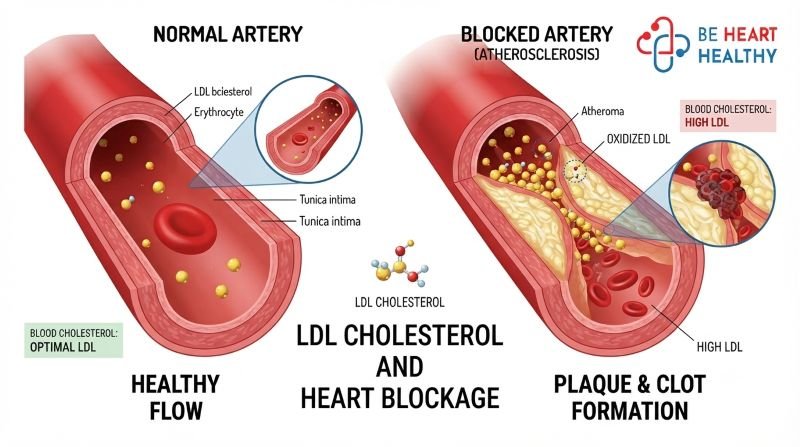
The angioplasty procedure time is usually around 30 minutes to 2 hours, although complex cases may take longer. Your total hospital stay can extend beyond the procedure because you need preparation, monitoring and recovery time. As a cardiologist, I encourage patients to understand both the procedure itself and what happens afterwards.
How Long Does an Angioplasty Procedure Take?
Coronary angioplasty is a minimally invasive procedure used to improve blood flow through narrowed or blocked heart arteries. It is performed using a thin catheter inserted through an artery in the wrist or groin.
In many cases, angioplasty takes approximately 30 minutes to 2 hours. However, the exact duration depends on the location and severity of the blockage, the number of arteries being treated, and whether additional treatment is required.
The angioplasty procedure time may be longer when the blockage is complex or multiple arteries need treatment. Emergency angioplasty may also involve additional steps depending on the patient’s condition.
It is important to remember that the procedure duration is not the same as the total time spent at the hospital. Your medical team will explain what to expect based on your individual circumstances.
What Factors Affect Angioplasty Procedure Time?
Several factors can influence how long an angioplasty takes.
- Number and complexity of blockages
A single, straightforward blockage may be treated relatively quickly. Multiple blockages or complex coronary artery disease may require more time and careful planning. - Whether a stent is required
A stent is a small mesh tube that helps keep an artery open after it has been widened. When a stent is required, the cardiologist positions it within the treated artery. The time needed depends on the number of stents and the complexity of the procedure. - Emergency or planned angioplasty
Emergency angioplasty, such as treatment during a heart attack, requires prompt assessment and restoration of blood flow. The urgency and complexity of the patient’s condition can influence the procedure. - Individual health conditions
Diabetes, kidney problems and other medical conditions may affect preparation, monitoring and treatment planning.
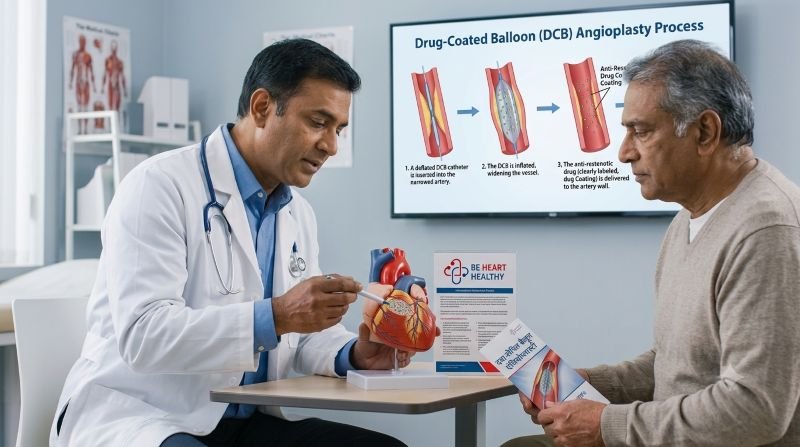
For a better understanding of alternative approaches, you can read our guide to drug-coated balloon angioplasty, which explains how medication-coated balloons are used in selected patients.
How Long Is a Hospital Stay and What Is the Recovery Time After Angioplasty?
Many patients undergoing planned, uncomplicated angioplasty can go home the same day or after an overnight stay. Others may need longer observation, particularly after emergency treatment or when additional medical concerns are present.
The angioplasty recovery time varies according to your health, the access site used and the complexity of the procedure.
What happens immediately after angioplasty?
After the procedure, the medical team monitors your heart rhythm, blood pressure and the catheter insertion site. You may need to lie still for a period, depending on whether the catheter was inserted through your wrist or groin.
Before discharge, your cardiologist will explain your medicines, wound care, activity restrictions and follow-up arrangements.
When can you return to normal activities?
Many patients gradually resume light daily activities within a few days. However, the time needed to return to work, drive, lift heavy objects or undertake strenuous exercise varies.
Follow the instructions provided by your treating team rather than comparing your recovery with someone else’s. Do not stop prescribed antiplatelet medicines, including those given after stent placement, without consulting your cardiologist.
Is Chest Pain Normal After Angioplasty?
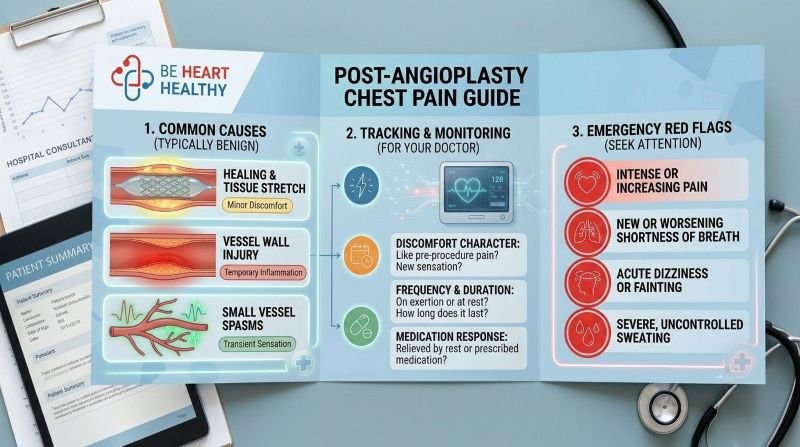
Mild chest tenderness can sometimes occur during early recovery. However, new, severe, persistent or recurring chest pain after angioplasty should never automatically be considered normal.
If you experience chest pressure or tightness accompanied by breathlessness, sweating, nausea, dizziness or pain spreading to your arm, jaw, shoulder or back, seek emergency medical care immediately.
Even when discomfort is less severe, recurring symptoms or pain resembling your previous angina deserve prompt medical assessment.
For more detailed guidance, read our article on chest pain after angioplasty, including possible causes, warning signs and when to contact a cardiologist.
Angioplasty in Mumbai: What Should Patients Consider?
If you are exploring angioplasty in Mumbai, focus on understanding your diagnosis, the proposed treatment, the benefits and risks, and the follow-up care you will need.
Angioplasty is not necessary for every patient with a coronary artery blockage. The appropriate approach depends on symptoms, test results, the location and severity of the blockage, and your overall cardiovascular health.
At Be Heart Healthy, Dr. Ankur Phatarpekar evaluates these factors to help patients understand their treatment options. Depending on the clinical findings, the discussion may include angioplasty with a stent, drug-coated balloon treatment in selected cases, medication, or other appropriate interventions.
Before undergoing a procedure, ask your cardiologist how long your treatment is expected to take, whether you may need an overnight stay, and what recovery restrictions will apply to you.
Dr. Ankur Phatarpekar Clinical Perspective
Dr. Ankur Phatarpekar approaches angioplasty by considering the patient’s overall clinical condition rather than focusing just on the time required for the procedure.
A straightforward angioplasty may take less time than a complex intervention involving multiple or difficult-to-treat blockages. However, the shortest procedure is not automatically the desired outcome. Careful planning, appropriate treatment selection and attention to patient safety remain essential.
Dr. Phatarpekar also emphasises that angioplasty treats a specific narrowing in a coronary artery but does not eliminate the underlying tendency to develop coronary artery disease. Long-term management remains important and may include prescribed medicines, cholesterol and blood pressure control, diabetes management, smoking cessation, physical activity and regular follow-up.
Patients should understand the treatment plan, know which symptoms require most attention, and follow individual recovery instructions rather than relying on a fixed timeline.
Frequently Asked Questions
Patients often want to know how long treatment will take, when they can return home, and how soon they can resume their usual routine. These answers provide general guidance, but your cardiologist can advise you according to your condition.
Q. How long does angioplasty take with a stent?
Angioplasty with stent placement commonly takes around 30 minutes to 2 hours. Complex blockages or treatment involving multiple arteries may require more time.
Q. Can I go home the same day after angioplasty?
Yes, some patients can go home the same day after uncomplicated planned angioplasty. Others may need overnight monitoring or a longer hospital stay, depending on their condition and recovery.
Q. How many days of rest are required after angioplasty?
Rest requirements vary. Many patients gradually return to light activities within a few days, while strenuous exercise and heavy lifting may need to be avoided for longer according to medical advice.
Q. Is angioplasty a major surgery?
Angioplasty is a minimally invasive procedure, not open-heart surgery. A catheter is used to reach the affected artery, and a balloon, with a stent if required, helps restore blood flow.
Q. How long does chest pain last after angioplasty?
Mild procedure-related chest tenderness may settle within a few days. Persistent, worsening or recurring chest pain requires medical assessment. Severe or persistent pain, especially with breathlessness or sweating, warrants emergency care.
Q. Does everyone need a stent during angioplasty?
No. A stent is commonly used when appropriate, but selected patients may be suitable for other approaches, including drug-coated balloon treatment. The decision depends on the coronary anatomy and clinical findings.
Speak With Dr. Ankur Phatarpekar at Be Heart Healthy
Understanding the procedure and recovery can help you prepare for angioplasty with greater confidence. My advice is to ask questions, understand why a particular treatment is recommended, and follow your personalised recovery plan.
If you are considering angioplasty in Mumbai or need guidance about your heart condition, you can contact Be Heart Healthy to arrange a consultation.
Phone: +91 88284-73147
Email: careforyourheart.in@gmail.com
Address: A12 Silver Apts, Shankar Ghanekar Marg, Prabhadevi, Mumbai 400025, Maharashtra, India
Medical disclaimer: This article is intended for general educational purposes and does not replace medical advice, diagnosis or treatment. If you experience severe or persistent chest pain or symptoms suggestive of a heart attack, seek emergency medical care immediately.