
Chest pain after angioplasty can sometimes occur during the normal recovery period, particularly in the first few days, but new, severe, persistent, or recurring chest pain should not be ignored. If the pain feels like pressure or tightness, occurs with breathlessness, sweating, dizziness, nausea, or spreads to the arm, jaw, back, or shoulder, seek emergency medical care immediately.
After angioplasty, it is understandable to become concerned about any chest discomfort. You may wonder whether it is part of recovery, related to the stent, or a sign that something needs further evaluation.
The important point is that not every episode of chest pain after angioplasty means that the artery has blocked again. However, because you have a history of coronary artery disease and have recently undergone a cardiac procedure, recurring or unexplained symptoms deserve proper assessment.
Is Chest Pain After Angioplasty Normal?
Some chest discomfort can occur after angioplasty. The treated artery and surrounding tissues may be temporarily irritated, and the chest can feel tender during the early recovery period. NHS guidance notes that chest tenderness after coronary angioplasty can be normal and usually settles within a few days.
The pattern of the pain matters more than simply asking whether pain is “normal.”
Mild discomfort that is improving and does not resemble your previous angina may be less concerning. On the other hand, pain that is becoming stronger, returning repeatedly, occurring with physical activity, or resembling the symptoms you had before angioplasty should be discussed with your cardiologist.
If you are unsure, it is safer to have the symptom assessed rather than trying to determine its cause yourself.
You can also read our detailed guide to coronary angioplasty to understand the procedure, recovery and follow-up process.

Chest Pain After Angioplasty Causes
There are several possible chest pain after angioplasty causes, and they are not all related to a problem with the stent.
Normal recovery-related discomfort
In the first few days, some patients experience mild chest tenderness or discomfort. This can gradually improve as the body recovers from the procedure.
The important feature is that the discomfort should generally be improving rather than progressively worsening.
Recurrent angina
Angina can continue or return after angioplasty in some patients. Modern evidence recognises that post-PCI angina can have several possible mechanisms, including residual coronary disease, problems affecting blood flow despite technically successful treatment, and non-obstructive causes of myocardial ischaemia.
This is why recurrent symptoms should be evaluated rather than automatically attributed to the stent.
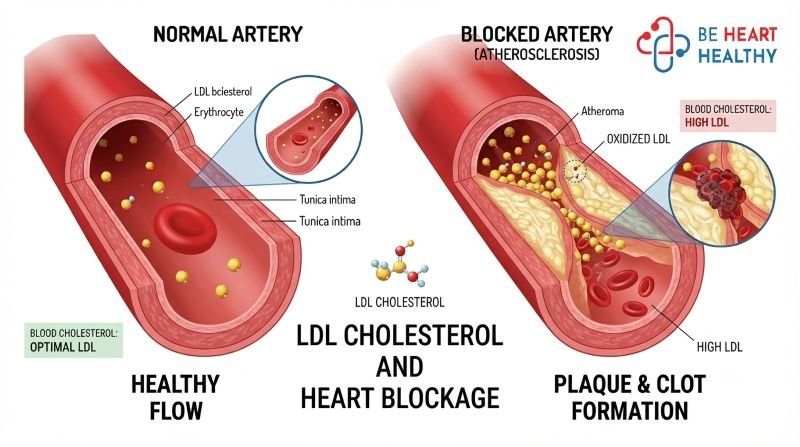
Restenosis
Restenosis means that an artery becomes narrowed again after it has been treated. Chest pain can be one of the symptoms.
The American Heart Association notes that chest pain after stent placement can be a symptom of restenosis and that further evaluation may sometimes be required.
Stent thrombosis
A blood clot can rarely form inside a stent and obstruct blood flow. This is an emergency because it can result in a heart attack.
The risk is reduced by taking prescribed antiplatelet medications exactly as directed. Do not stop aspirin, clopidogrel, ticagrelor, or another prescribed blood-thinning medication without speaking with your treating doctor.
Non-cardiac causes
Chest pain does not always originate from the heart. Muscle strain, acid reflux, inflammation, anxiety and other conditions can produce chest discomfort.
However, after angioplasty, it is important not to assume that pain is simply acidity or muscle pain until a cardiac cause has been appropriately considered.
How Long Does Chest Pain Last After Angioplasty?
So, how long does chest pain last after angioplasty? Mild chest tenderness related to the procedure may improve over several days. NHS patient guidance specifically states that chest tenderness after angioplasty is usually temporary and generally passes within a few days.
There is no single duration that is considered normal for every patient.
You should pay attention to:
- Whether the discomfort is getting better or worse
- Whether it occurs at rest or during activity
- Whether it feels similar to your previous angina
- Whether it is associated with breathlessness or sweating
- Whether it radiates to your arm, jaw, shoulder, back or neck
- Whether it is becoming more frequent
- Whether you have dizziness, fainting, nausea or an unusual heartbeat
If chest pain persists beyond the expected recovery period, keeps returning, or is changing in character, contact your cardiologist for an appropriate assessment.

When Should You See a Cardiologist?
You should contact your cardiologist if you develop new, recurring or unexplained chest discomfort after angioplasty, particularly if the symptoms are similar to the pain you experienced before the procedure.
I would want to know more about the pattern of the pain rather than judging it only by its intensity.
A cardiology review becomes particularly important when:
- Chest discomfort repeatedly occurs during physical activity
- Pain is becoming more frequent or intense
- The symptoms resemble your previous angina
- You develop breathlessness with the discomfort
- You experience unexplained fatigue or reduced exercise tolerance
- You experience palpitations or an irregular heartbeat
- The pain occurs at rest
- You have risk factors such as diabetes, high blood pressure or high cholesterol
- You have missed or stopped prescribed antiplatelet medication
A cardiologist may review your previous angiogram and angioplasty records, examine your symptoms and decide whether investigations such as an ECG, echocardiogram, blood tests, stress testing or further coronary assessment are appropriate.
The evaluation should be based on your symptoms and individual risk rather than assuming that every episode of pain means the stent has failed.
When Is Chest Pain an Emergency?
Do not wait for a routine cardiology appointment if the chest pain is severe, persistent, sudden or accompanied by concerning symptoms.
Seek emergency medical care immediately if you have:
- Severe or persistent chest pressure or tightness
- Chest pain spreading to the arm, shoulder, jaw, neck, back or upper abdomen
- Shortness of breath
- Cold sweating
- Nausea or vomiting
- Dizziness or fainting
- A sudden or irregular heartbeat
- Symptoms that feel similar to your previous heart attack or angina
Acute coronary syndrome can present with chest discomfort, breathlessness, nausea, sweating, dizziness or pain involving other parts of the upper body. It requires immediate medical assessment.
Do not drive yourself to the hospital during a suspected cardiac emergency. Use your local emergency medical service.
What Will a Cardiologist Check After Angioplasty?
When I assess a patient with chest discomfort after angioplasty, I first try to understand exactly what has changed.
I may consider:
- The nature of the pain – pressure, tightness, burning, stabbing or aching.
- Timing – when it occurs and how long it lasts.
- Triggers – whether it happens during walking, climbing stairs, emotional stress or at rest.
- Associated symptoms – breathlessness, sweating, nausea, dizziness or palpitations.
- Previous symptoms – whether it resembles the angina that led to the angioplasty.
- The angioplasty itself – which artery was treated, what type of stent was used and how complex the procedure was.
- Medication adherence – particularly prescribed antiplatelet and cardiac medications.
- Other risk factors – diabetes, blood pressure, cholesterol, smoking and other cardiovascular conditions.
Depending on these findings, further tests may be needed. There is no single test that is appropriate for every patient.
Our heart blockage symptoms and treatment guide explains some of the investigations doctors may use when evaluating coronary artery disease.
Dr. Ankur Phatarpekar Clinical Perspective
When a patient tells me they have chest pain after angioplasty, I do not immediately assume that the stent is blocked, and I also do not dismiss the symptom as part of recovery.
I want to understand the complete clinical picture first.
In my practice, I pay particular attention to:
- Whether the pain is similar to the patient’s previous angina
- Whether it is triggered by exertion or occurring at rest
- Whether the symptoms are improving or becoming more frequent
- The complexity and location of the original coronary blockage
- Medication adherence, especially antiplatelet therapy
- Associated symptoms such as breathlessness, sweating or dizziness
- The patient’s diabetes, cholesterol, blood pressure and overall cardiovascular risk
Sometimes the appropriate approach is reassurance and observation. At other times, the symptoms justify additional testing.
The important decision is not simply whether the pain is “normal.” The question is why the pain is occurring and whether there is any evidence of reduced blood flow to the heart.

Be Heart Healthy: What Can You Do After Angioplasty to Protect Your Heart?
Angioplasty treats a narrowed or blocked artery, but it does not remove the underlying tendency to develop coronary artery disease.
Long-term heart care remains important.
Follow your cardiologist’s medication instructions and do not stop prescribed antiplatelet medicines without medical advice. Continue monitoring blood pressure, cholesterol and diabetes if applicable.
Lifestyle measures also remain important:
- Avoid smoking and tobacco
- Follow a heart-healthy diet
- Remain physically active according to your doctor’s advice
- Maintain a healthy body weight
- Take prescribed cholesterol-lowering medicines consistently
- Attend follow-up appointments
- Participate in cardiac rehabilitation if recommended
If you have ongoing concerns about coronary artery disease, our guide to coronary artery disease provides further information about symptoms, diagnosis and treatment.
Frequently Asked Questions About Chest Pain After Angioplasty
Patients often ask whether chest discomfort after a stent is expected or whether it could indicate another heart problem. Here are some of the most common questions I hear.
Q. Is chest pain normal after angioplasty?
Mild chest tenderness can occur during the early recovery period and may pass within a few days. However, severe, persistent, worsening or recurring chest pain should be medically assessed rather than assumed to be normal.
Q. How long does chest pain last after angioplasty?
Mild procedure-related chest tenderness may improve within a few days. If pain continues, becomes worse, repeatedly returns, occurs with exertion or resembles your previous angina, speak with your cardiologist.
Q. What are the common chest pain after angioplasty causes?
Possible chest pain after angioplasty causes include temporary post-procedure discomfort, recurrent angina, restenosis, rarely stent thrombosis, and non-cardiac conditions such as reflux or muscle pain. The exact cause requires clinical assessment.
Q. Can a stent cause chest pain?
A stent itself does not normally cause ongoing chest pain. However, chest pain after stent placement can sometimes occur because of recurrent angina, restenosis or another cardiac or non-cardiac condition.
Q. When should I worry about chest pain after angioplasty?
Seek emergency medical care for severe or persistent chest pain, particularly when it is associated with breathlessness, sweating, nausea, dizziness, fainting, or pain spreading to the arm, jaw, back or shoulder. These can be warning signs of an acute coronary syndrome.
Q. Should I see a cardiologist if chest pain keeps coming back?
Yes. Recurrent chest discomfort after angioplasty deserves evaluation, especially when the pattern is new, worsening or similar to your previous angina. A cardiologist can determine whether further testing is necessary.
Speak With Dr. Ankur Phatarpekar – Cardiologist in Mumbai
If you have recently undergone angioplasty and are experiencing chest discomfort, you do not have to decide on your own whether it is part of recovery or something that needs investigation.
I would first want to understand when the pain occurs, what it feels like, whether it resembles your previous symptoms, and what your angioplasty and medical history show. From there, we can decide whether reassurance, medication review, further testing or another approach is appropriate.
If you are concerned about your recovery or would like a second opinion regarding your symptoms or previous angioplasty, you can contact me at Be Heart Healthy. If you are looking for a cardiologist in Mumbai for evaluation after angioplasty, I can help assess whether your symptoms require further investigation.
Phone: +91 88284-73147
Email: careforyourheart.in@gmail.com
Address: A12 Silver Apts, Shankar Ghanekar Marg, Prabhadevi, Mumbai 400025, Maharashtra, India
Dr. Ankur Phatarpekar
Interventional Cardiologist & Structural Heart Specialist
This article is intended for general patient education and does not replace an individual medical evaluation. If you have severe or persistent chest pain or symptoms suggestive of a heart attack, seek emergency medical care immediately.