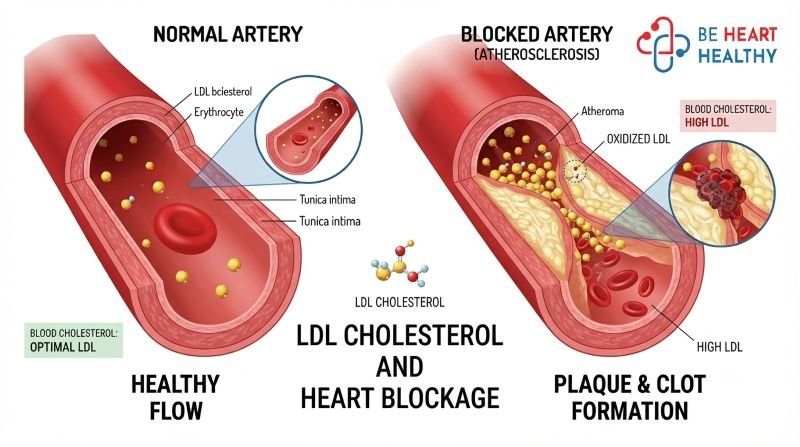

After TAVR surgery, understanding the right lifestyle after TAVR surgery can help you return to normal activities safely. Most people can gradually resume walking and everyday activities, but the first few weeks require some precautions. Heavy lifting, strenuous exercise, excessive pushing or pulling, and activities that strain the catheter insertion site should generally be avoided until your doctor confirms they are safe.
What Can You Not Do After TAVR Surgery?
TAVR is a minimally invasive procedure, so recovery is generally quicker than recovery from traditional open-heart valve surgery. However, less invasive does not mean that your body needs no recovery time.
The first few weeks are important because your body is adjusting after the procedure, while the catheter access site is healing. Your heart also needs time to adjust to improved blood flow through the treated valve.
So, what can you not do after TAVR surgery?
During the early recovery period, you should generally avoid:
- Heavy lifting or carrying heavy objects
- Strenuous exercise
- Sudden bursts of physical activity
- Repeated pushing or pulling
- Moving heavy furniture
- Heavy gardening or household work
- Vigorous gym workouts
- Running or competitive sports until cleared
- Driving until your doctor confirms that it is safe
- Smoking
- Stopping or changing prescribed medicines without medical advice
The exact restrictions are not identical for every patient. Your age, overall health, access route used for TAVR, other heart conditions, medications and recovery progress can all influence when you can return to different activities.
For example, a patient who has undergone transfemoral TAVR and is recovering well may progress differently from someone who has other significant medical conditions or required a different access route.
For a broader understanding of the procedure itself, you can also read the TAVI treatment guide from Be Heart Healthy.
Physical Activity After TAVR: What Is Safe?
Physical activity after TAVR is generally safe when it is started gradually and increased according to your recovery. Walking and other light activities are usually encouraged, while heavy lifting, strenuous exercise and high-intensity sports should be avoided until your cardiologist confirms that you are ready. The right level of activity depends on your symptoms, fitness, access site and overall recovery.
One of the most common questions I hear is whether patients should rest completely after TAVR. In most cases, complete bed rest is not the goal.
Gentle movement is usually an important part of recovery. Walking, for example, can help you gradually rebuild stamina and confidence. The key is to increase your activity slowly rather than trying to make up for lost time.
Walking After TAVR
- Walking is generally the best starting point.
- During the early days, short walks around your home may be enough. As your energy improves, you can gradually increase the distance and duration.
- You should be able to walk at a comfortable pace without significant breathlessness, chest discomfort or dizziness.
- If you become unusually tired, dizzy, breathless or develop chest pain, stop exercising and contact your medical team.
Exercise After TAVR
- When patients ask me about exercise after TAVR, I usually recommend thinking in stages.
- The first stage is simply becoming comfortable with normal movement and walking. Once that is going well, activity can gradually become longer or more structured.
- Heavy weightlifting, intense gym sessions, vigorous cycling, running and competitive sports should not be restarted without appropriate medical clearance.
- Your previous fitness level matters as well. Someone who regularly exercised before TAVR may eventually return to a higher level of activity than someone who was largely inactive before the procedure.
- That does not mean one recovery is better than another. The objective is to find the level of activity that is safe and sustainable for you.
Strength Training and Weights
- Heavy lifting should generally be avoided during the early recovery period.
- Lifting heavy objects can place significant strain on the body and may increase pressure within the chest. It can also place stress around the catheter access site, particularly while the area is still healing.
- Once your doctor confirms that your recovery is progressing well, strength exercises can potentially be reintroduced gradually.
- Do not judge readiness simply by how energetic you feel. A follow-up assessment is a better guide.
Running, Cycling and Sports
- Running and vigorous cycling require substantially more cardiovascular effort than ordinary walking.
- If you were physically active before TAVR, you may eventually return to these activities. However, the timing should be individualised.
- Competitive sports or high-intensity exercise should only be restarted after your cardiologist has assessed your recovery and confirmed that the activity is appropriate.

Daily Life After TAVR: Driving, Work, Stairs and Household Activities
The goal of recovery is not to keep you inactive. It is to help you safely return to your usual life.
Daily life after TAVR can gradually become more normal as your strength improves. Simple activities such as walking around the house, preparing meals and performing light household tasks may be possible relatively early, while heavier activities should wait until your doctor gives you clearance.
Driving After TAVR
- Do not assume that you can drive simply because you have been discharged from hospital.
- The appropriate waiting period can vary depending on your recovery, the catheter access site, medications, symptoms and local driving regulations.
- Before driving, you should be able to sit comfortably, operate the vehicle safely and respond quickly if necessary.
- Your cardiologist can advise you when you are ready.
Household Work
Light household activities may be possible relatively early.
You may be able to prepare a simple meal, wash dishes, walk around your home or perform other light tasks as your energy allows.
For the early recovery period, avoid:
- Moving furniture
- Carrying heavy grocery bags
- Lifting heavy buckets
- Heavy cleaning
- Strenuous gardening
- Repeated bending or heavy pushing and pulling
The idea is not to avoid all movement. It is to avoid unnecessary strain while your body is recovering.
Climbing Stairs
Most patients who are medically stable can use stairs, but you should take them slowly.
Use the handrail and take a break if you become tired. If climbing stairs causes significant breathlessness, dizziness, chest discomfort or unusual weakness, stop and discuss the symptom with your doctor.
Returning to Work
The time needed before returning to work depends largely on the type of work you do.
Someone with a desk-based job may be able to return sooner than someone whose work involves:
- Heavy lifting
- Construction work
- Climbing
- Prolonged standing
- Physically demanding outdoor work
- Repeated pushing or pulling
Rather than comparing your recovery with another TAVR patient, discuss your specific job requirements with your cardiologist.

Lifestyle After TAVR Surgery: Habits That Support Heart Health
TAVR treats the problem with the aortic valve, but it does not remove other cardiovascular risk factors.
This is why your lifestyle after TAVR surgery remains important even when you begin feeling significantly better.
Follow a Heart-Healthy Diet
A balanced diet can support your overall cardiovascular health.
Try to include:
- Vegetables and fruits
- Whole grains
- Pulses and legumes
- Appropriate sources of protein
- Nuts and seeds in suitable portions
At the same time, limit excessive salt, highly processed foods and foods high in saturated and trans fats.
If you have diabetes, high blood pressure or high cholesterol, your diet should also support good control of these conditions.
Take Your Medicines as Prescribed
Your medications after TAVR depend on your individual medical history.
You may be prescribed medicines for blood pressure, cholesterol, heart rhythm or blood-thinning purposes, depending on your circumstances.
Do not stop, reduce or change a medication simply because you feel better.
If a medicine is causing side effects or you are unsure why you are taking it, discuss it with your doctor.
Avoid Smoking
Smoking increases cardiovascular risk and can undermine many of the improvements you are trying to achieve after valve treatment.
If you smoke, stopping is one of the most meaningful lifestyle changes you can make for your long-term heart health.
Maintain a Healthy Weight
Maintaining an appropriate weight can make everyday physical activity easier and may help with blood pressure, diabetes and overall cardiovascular health.
You do not need to make dramatic changes immediately after TAVR. Focus on gradual, sustainable improvements.
Keep Your Follow-Up Appointments
Follow-up after TAVR is an important part of your long-term care.
Your cardiologist may monitor:
- Your symptoms
- Heart rhythm
- Blood pressure
- Valve function
- Heart function
- Medication requirements
- Overall physical recovery
Regular follow-up also gives you an opportunity to discuss exercise, travel, work and other activities that you want to resume.
If you are looking specifically for information about recovery timelines, you can also read our guide on recovery after TAVR surgery.
You can also learn more about TAVR surgery and the procedure before making decisions about your treatment and recovery.
When Should You Stop an Activity and Contact Your Doctor?
Some tiredness during recovery can be expected. However, certain symptoms should not simply be considered part of normal recovery.
Contact your medical team if you develop:
- Increasing shortness of breath
- New or worsening chest discomfort
- Fainting or significant dizziness
- New or worsening swelling
- Persistent fever
- Increasing pain around the catheter access site
- Redness or swelling around the access site
- Bleeding from the access site
- A rapidly enlarging lump near the access site
- New or persistent palpitations
- An unusually fast or irregular heartbeat
Severe chest pain, significant breathing difficulty, fainting or heavy bleeding require urgent medical assessment.
It is particularly important to pay attention to the catheter access site during the early recovery period.
If something feels significantly different from what your doctor told you to expect, it is better to ask than to ignore it.
Dr. Ankur Phatarpekar Clinical Perspective
In my practice, I tell patients that the goal after TAVR is not to become overly cautious—it is to become appropriately active.
Many patients feel a noticeable improvement in breathing and energy after the valve has been treated. That improvement can sometimes make people want to return immediately to everything they were doing before the procedure. I understand that feeling, but I prefer a gradual approach.
For the first stage, I want you walking comfortably, eating normally, taking your medicines correctly and looking after the access site. Once those basics are going well, we can progressively increase physical activity.
I also look at the patient rather than just the calendar. A fixed number of days does not determine whether someone is ready for strenuous exercise. I consider the reason for TAVR, the access route, heart function, rhythm, blood pressure, other medical conditions and the patient’s functional capacity.
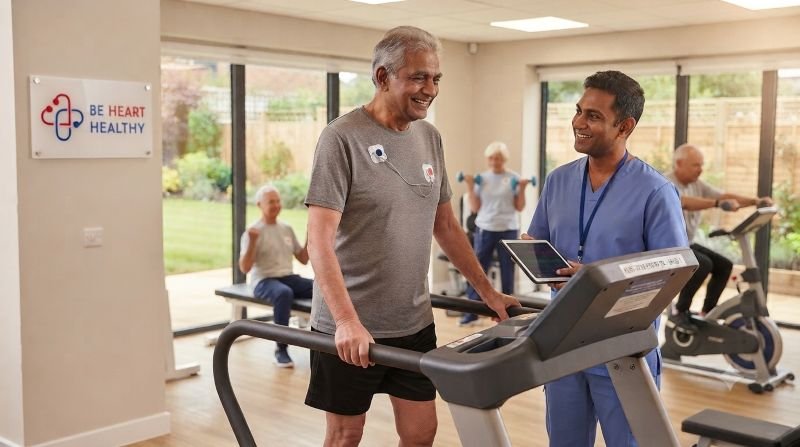
Cardiac rehabilitation or a structured exercise programme can be useful for selected patients because it provides a supervised way to rebuild strength and confidence. Current evidence continues to evaluate exactly which post-TAVR patients benefit most from structured exercise programmes.
My advice is simple: do not confuse feeling better with being fully recovered. Build your activity gradually, listen to your body, and let your follow-up assessment guide the next step.
Frequently Asked Questions About Life After TAVR
Patients often have practical questions about what they can and cannot do after TAVR. The answers below address some of the most common concerns about exercise, work, driving and returning to normal activities.
Q. What can you not do after TAVR surgery?
After TAVR surgery, you should generally avoid heavy lifting, strenuous exercise, vigorous sports and activities that place excessive strain on the catheter access site during the early recovery period. Your doctor will tell you when specific activities can be resumed.
Q. Can I walk normally after TAVR?
Yes. Walking is generally encouraged after TAVR when your medical team considers you medically stable. Start with short, comfortable walks and gradually increase the duration as your stamina improves.
Q. When can I exercise after TAVR?
Exercise after TAVR should usually begin with gentle activity such as walking. More demanding exercise should be introduced gradually and only after your cardiologist confirms that your recovery is progressing appropriately.
Q. Can I climb stairs after TAVR?
Most patients can climb stairs after TAVR if they are medically stable and physically able to do so. Take the stairs slowly, use the handrail and stop if you develop significant breathlessness, dizziness or chest discomfort.
Q. When can I drive after TAVR?
The timing for driving after TAVR varies between patients. You should wait until your doctor confirms that you are medically and physically ready to drive and that doing so is consistent with applicable driving regulations.
Q. Can I live a normal life after TAVR?
Yes. The goal of TAVR is to treat the diseased aortic valve and help eligible patients return to a more active daily life. Recovery varies between individuals, but many patients can gradually resume normal activities as their strength and confidence return.
Q. Can I lift weights after TAVR?
Heavy weightlifting should generally be avoided during the early recovery period. Once your doctor confirms that the access site has healed and your cardiovascular recovery is satisfactory, strengthening exercises may be introduced progressively.
A Practical Way to Think About Your Recovery
Instead of asking, “When can I do everything again?”, I recommend asking:
“What is the next safe level of activity for me?”
In the beginning, that may simply mean walking around the house.
Later, it may mean taking longer walks, doing light household activities, returning to work or starting a structured exercise programme.
The important thing is progression without overexertion.
Your recovery is also an opportunity to address the factors that influence your long-term heart health, including blood pressure, cholesterol, diabetes, smoking, diet, weight and physical activity.
TAVR can be an important step forward, but maintaining your heart health continues well beyond the procedure itself.
Speak With Dr. Ankur Phatarpekar at Be Heart Healthy
If you have recently undergone TAVR and are unsure about exercise, driving, work, travel or returning to your usual activities, I would rather you ask than take an unnecessary risk.
Every patient’s recovery is different. If you would like your recovery plan or follow-up reports reviewed, you can discuss your situation with me and understand what level of activity is appropriate for you.
Dr. Ankur Phatarpekar
Interventional Cardiologist & Structural Heart Specialist
Phone: +91 88284-73147
Email: careforyourheart.in@gmail.com
Address: A12 Silver Apts, Shankar Ghanekar Marg, Prabhadevi, Mumbai 400025, Maharashtra, India
This article is intended for general patient education. Our own TAVR team will determine when you can resume specific activities because recovery depends on your procedure, access route, medical conditions and individual progress.